



success in treating a wide range of conditions, including colic, ear infections, and headaches.
Advanced Injury & DISC Center
Chiropractic

Advanced Injury & DISC Center
Advanced Injury & DISC Center
The Origins
of Chiropractic Treatment
The roots of chiropractic care can be traced back to ancient civilizations, as evidenced by the writings of Hippocrates (460-370 B.C.), Galen (130-200 A.D.), and ancient Egyptian, Hindu, and Chinese texts, which contain principles similar to those of chiropractic. However, its emergence as a recognized field in modern healthcare is largely credited to Dr. Daniel David Palmer. In 1895, Dr. Palmer established the first chiropractic college in Davenport, Iowa.
A healer and teacher in the late 19th century, Dr. Palmer sought to understand the relationship between disease and its underlying causes. His first chiropractic adjustment took place in 1895 when he treated a man who had lost his hearing after his back "gave out" years earlier. By realigning the man's spine, Dr. Palmer was able to restore his hearing, marking a pivotal moment in the history of chiropractic care.
Advanced Injury & DISC Center
The Growth of Chiropractic Care


As chiropractic care continued to demonstrate its effectiveness, (Dr. Palmer established the Palmer School of Chiropractic in Iowa.)

be recognized as an official medical specialty in many countries of the world
Chiropractors
with over 50,000
26 chiropractic colleges globally
Advanced Injury & DISC Center
Advanced Injury & DISC Center
D.D. Palmer’s Legacy
As the "founding father" of chiropractic, Dr. D.D. Palmer developed the theory that spinal
misalignments create nerve interference, leading to various health conditions.
He recognized that the body's structure directly impacts its function and ability to heal itself—
without the need for drugs or surgery. This fundamental principle has helped people recover
from ailments and prevent illness for over a century.
However, to fully appreciate the chiropractic perspective, one must first understand the vital role of the nervous system
—the intricate network that governs how our bodies function.
Advanced Injury & DISC Center
Advanced Injury & DISC Center
The Structure and Function
of the Nervous System
01
Check Point
The Structure and Function of the Nervous System
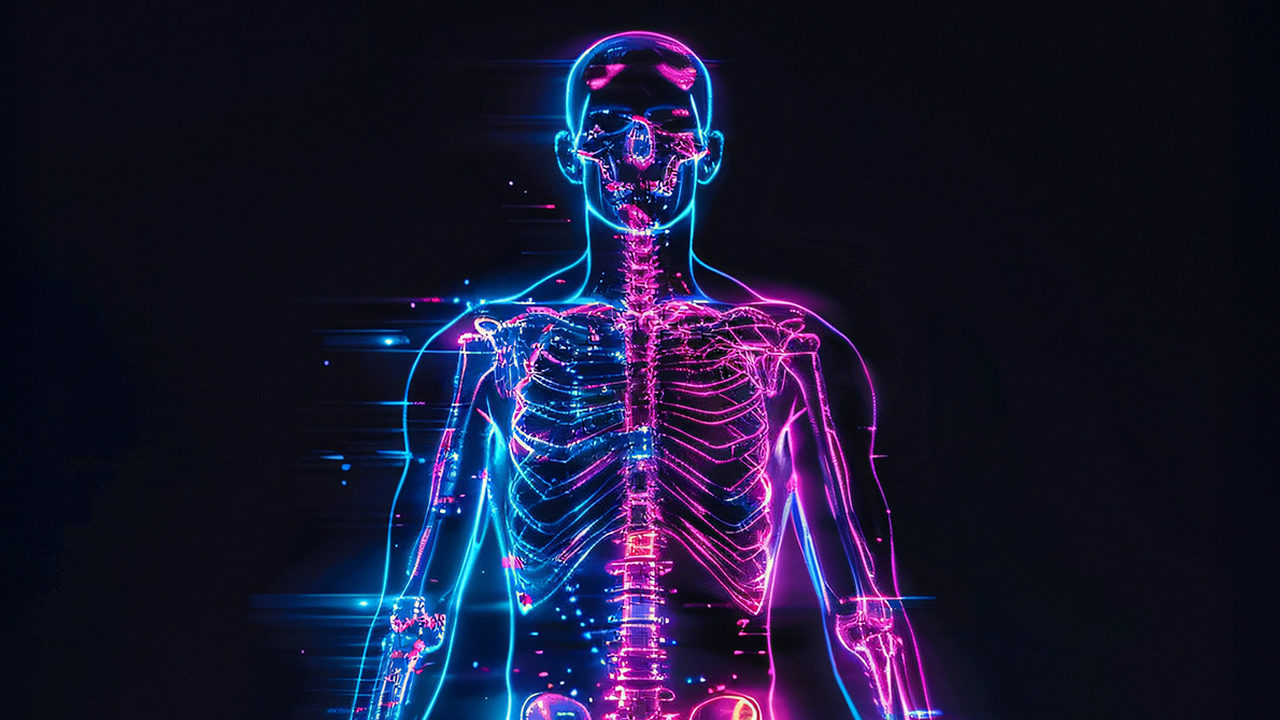
The nervous system is composed of the brain, spinal cord, and nerves. The brain is divided into distinct sections, processing and storing vast amounts of information.
However, for this information to flow efficiently, it requires a means of transmission. Nerves serve as pathways for signals to travel to and from the brain, while the spinal cord consists of bundled nerve fibers that facilitate this communication.
The spine not only encloses the spinal cord but also provides essential protection.
02
Check Point
The Wiring
of Our Nervous System
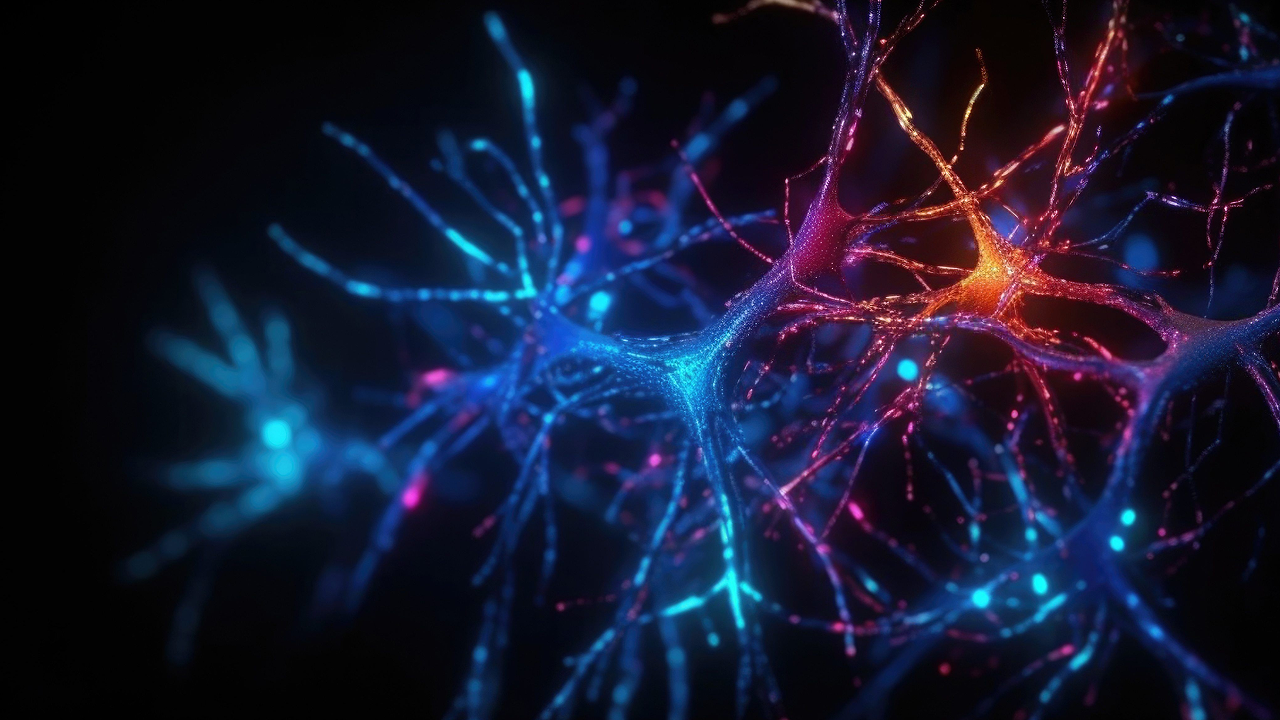
Nerve dysfunction can be caused by a variety of factors, including falls,
accidents, chronic stress, muscle tension, or repetitive overuse of certain body parts.
These disruptions can interfere with the body's natural "wiring,"
leading to miscommunication between the brain and the rest of the body. As a result,
individuals may experience pain, discomfort, reduced mobility, or other health issues.
Maintaining a properly functioning nervous system is essential for overall well-being and optimal body function.
Advanced Injury & DISC Center
Advanced Injury & DISC Center
Identifying the Root Cause of Spine-Related Pain
Dr. H.J. Mark Park specializes in pinpointing the true source of pain or discomfort,
which may be located far from the actual area where symptoms are felt.
Once identified, chiropractic adjustments are performed to correct misalignments and support the body's natural healing process.
The specific adjustment technique used depends on the condition being treated, but the core principle remains the same.
The key takeaway is that chiropractic care focuses on addressing the root cause of the problem rather than simply masking the symptoms,
leading to lasting relief and improved overall well-being.

Holistic Healing & Efficiency
Healing the body naturally involves multiple factors,
which is why chiropractors also offer lifestyle guidance to help prevent illness and injury.
Your overall health is influenced by diet, nutrition, fitness, ergonomics,
and other aspects of daily life—either enhancing or diminishing your well-being.
Making the right choices can lead to a life of wellness and vitality.
If you're experiencing a back pain emergency, Dr. Park and his team are available on short notice.
Simply call to check availability.

